

Explore treatments designed to restore oral function and support long-term dental health...
Own Your Smile From Just $39/Week. No Deposit, 0% Interest.
From $39/week for a single tooth or $116/week for a full arch — no upfront deposit, 0% interest, and ATO approved options (if eligible).
Book on this page and get:
💎 Free Consultation, CBCT and X-Ray
💎 Assistance with ATO approved payment options (Subject to Eligibility)

*Please note that early access to superannuation requires approval from the Australian Taxation Office (ATO) and is only available for dental treatments that meet specific health or wellbeing criteria.
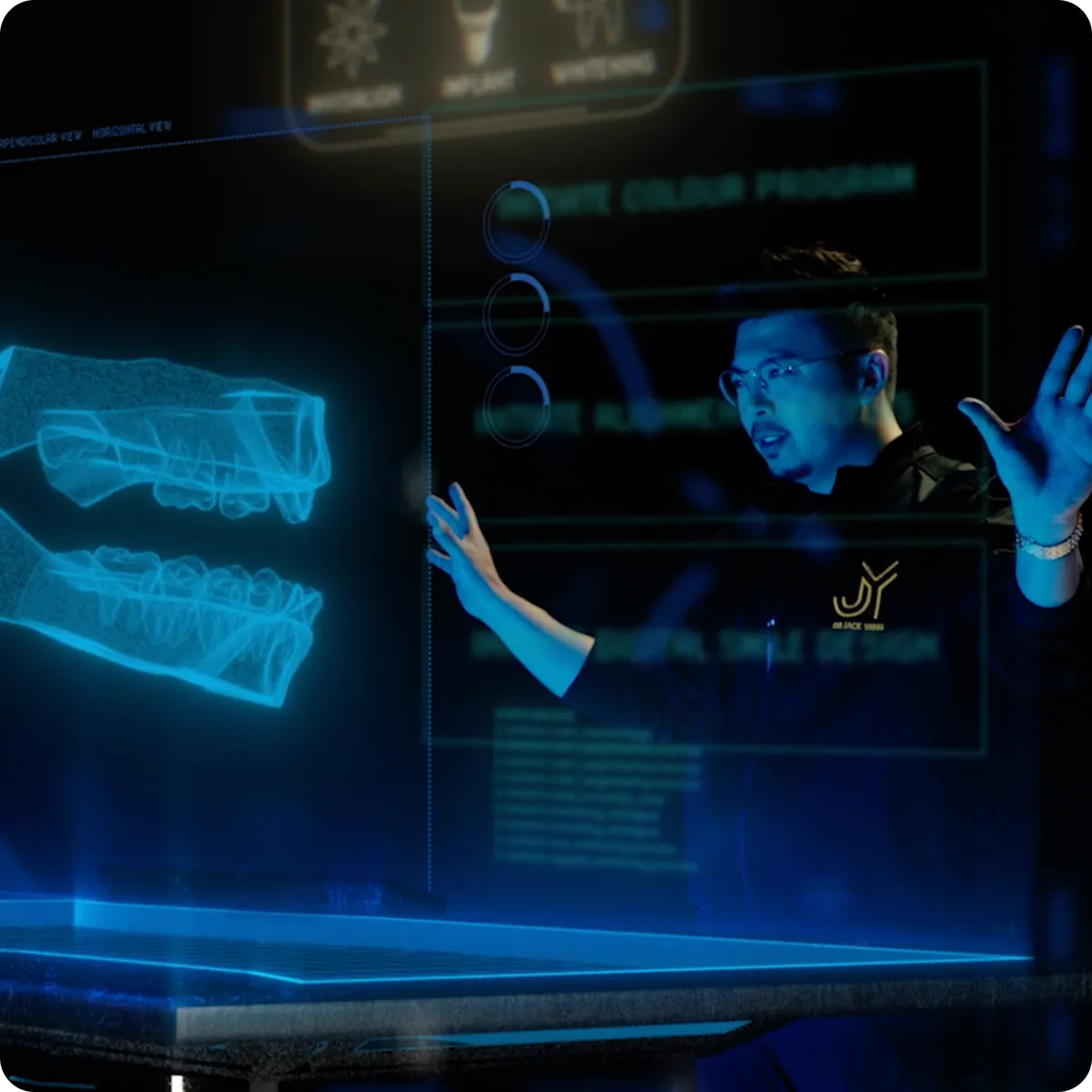
Traditional vs. Infinity Implant Approach
Traditional Method
Often involves multiple treatment stages
May result in longer recovery time
Some patients experience higher anxiety levels
Outcomes may vary depending on case complexity
Aesthetic and functional results are not always predictable
Our AI-Powered Precision Method
Focused on comfort and efficiency
Minimally invasive techniques where appropriate
Digitally planned for clinical accuracy
Supports smoother recovery experiences
Designed to deliver stable, natural-feeling function
Tailored to each patient's health needs and goals
Why Should You Choose Us?
What Our Implant Consultations Provide:
✅ Discuss treatment options designed to restore stability and function
✅ Explore solutions that aim for a natural appearance
✅ Comfort-focused approach where clinically suitable
✅ Durable materials selected for long-term reliability ✅ Flexible payment arrangements available
Book on this page and you get:
💎 Free Consultation, CBCT and X-Ray
💎 Treatment Planning with Free Digital Scan
💎 Digital Smile Portrait
💎 Guidance on Applying for ATO approved payment options (Subject to Eligibility)
What are implants?
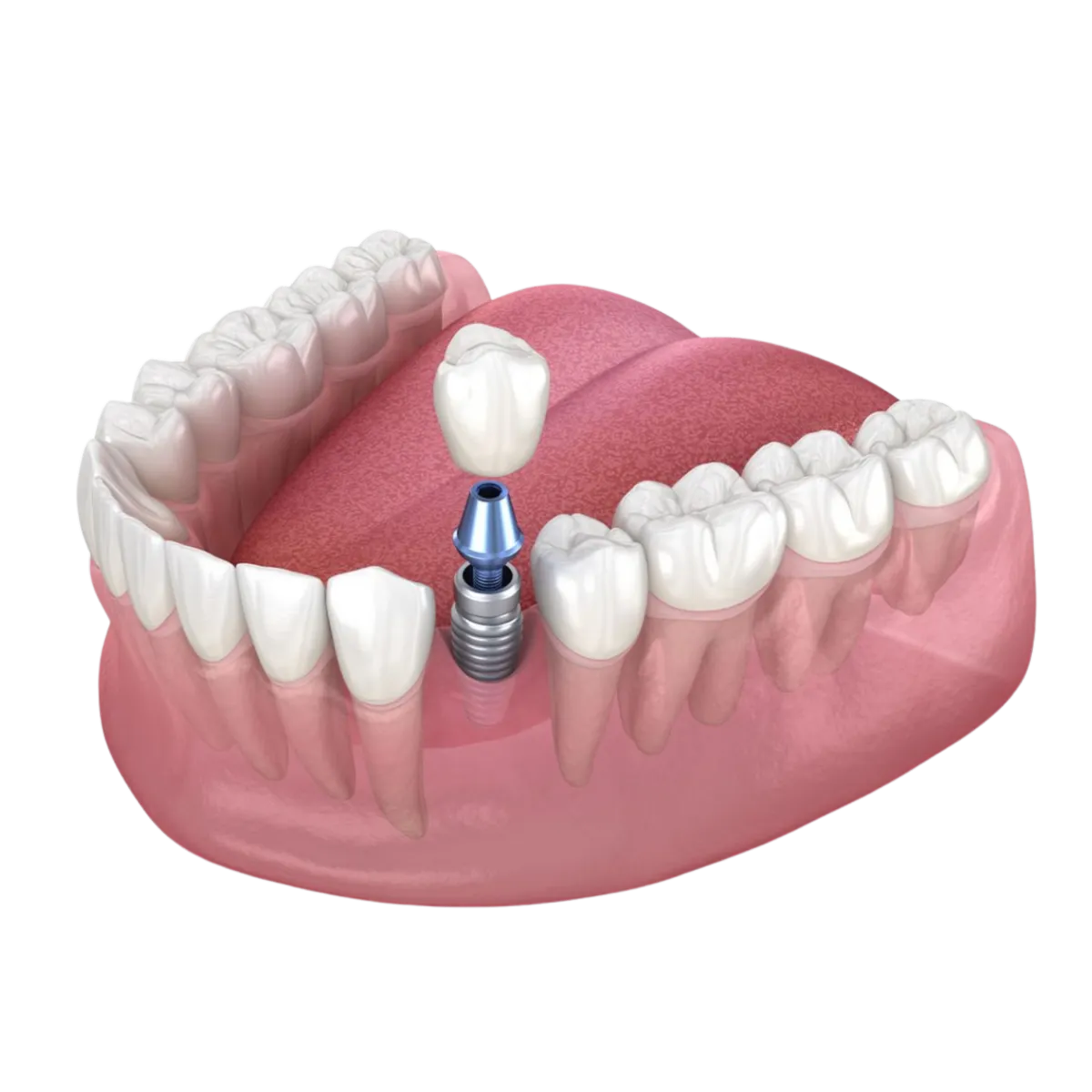
Single Tooth Implants
A single-tooth implant is a widely used treatment for replacing a missing tooth. It is designed to provide durable support and a natural appearance. The implant is placed into the jawbone during a minor surgical procedure, creating a stable base for a custom-made crown. This approach helps restore everyday function and bite strength.
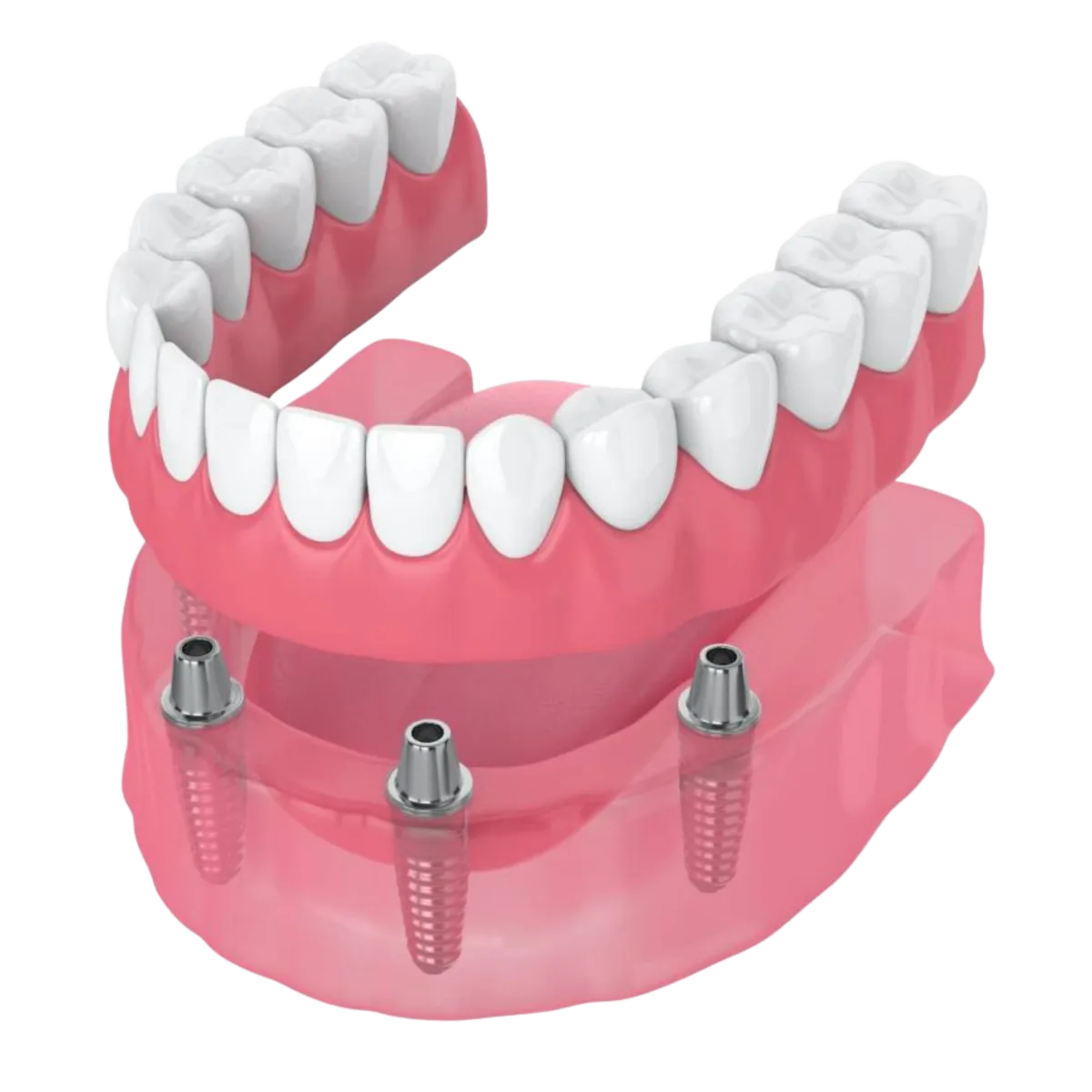
Full-arch Implants
Full-arch implants are commonly recommended when multiple teeth are missing. By placing four to six implants across key areas of the jaw, a dental bridge can be anchored to restore function across the full arch. This method is designed to offer long-term support and simulate the feel and appearance of natural teeth.
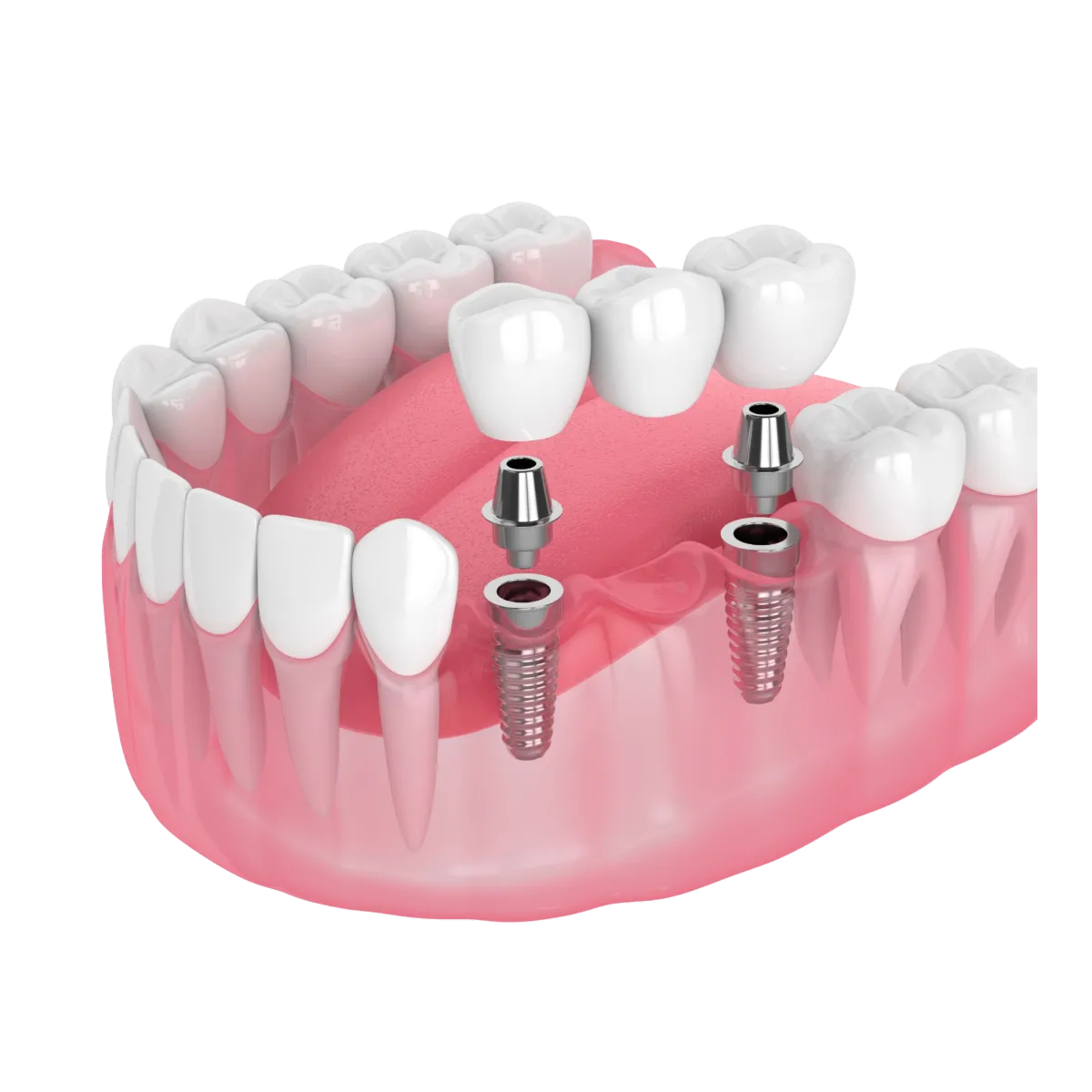
Implant-supported Bridges
Implant-supported bridges are often used to replace several missing teeth in a row. This solution uses dental implants to secure a custom-designed bridge, supporting functional bite alignment and helping maintain oral health. The structure is built to encourage long-term stability, depending on individual clinical factors.
Considering Dental Treatment but Concerned About Costs?
Free Consultation, CBCT and X-Ray
Treatment Planning with Free Digital Scan
Assistance with ATO approved payment options (Subject to Eligibility)
Fill in the form below to book your free consultation 👇
BOOK YOUR APPOINTMENT AT INFINITY DENTAL CARE TODAY!
FAQs About Implants
What are the different types of dental implants?
There are a range of dental implant options, and after a thorough planning process, your dental practitioner will recommend the most appropriate treatment based on your individual needs. These options may include:
• Replacement of a single tooth
• Replacement of multiple teeth
• Full arch replacement
Dental implant treatment is often completed in stages. These typically include:
• Placement of the implant into the jawbone
• Placement of the abutment (connector)
• Placement of the artificial tooth or bridge onto the abutment
Like natural teeth, implant-supported restorations require regular care. Maintaining good oral hygiene and attending routine check-ups can help support long-term oral health.
In some cases, your dental team may refer you to an Oral and Maxillofacial Surgeon or Periodontist for specific aspects of your care. This helps ensure that you receive the appropriate clinical expertise and support throughout your treatment journey.
How long does the dental implant surgery take?
The dental implant process generally involves multiple stages carried out over several weeks or months. These may include the initial placement of the implant, a healing phase for integration with the jawbone, and the final placement of a crown or bridge. Your treating practitioner will determine the most appropriate timeline based on your individual circumstances.
Is the dental implant treatment painful?
Dental implant procedures are performed under local anaesthesia to help reduce discomfort during treatment. As with any surgical procedure, some patients may experience post-operative sensitivity or soreness. This varies between individuals and is typically managed with appropriate aftercare and medication if needed. Your dental practitioner will provide guidance tailored to your situation.
What are the benefits of dental implants compared to other options?
Dental implants are one of several options for replacing missing teeth. They are designed to replicate the appearance and function of natural teeth, and may offer benefits for patients based on their individual needs and oral health conditions.
Natural appearance: Implants are crafted to resemble natural teeth and can be color-matched for a seamless look.
Functional support: When anchored into the jaw, implants can provide stability for chewing and speaking.
Preservation of oral structure: Some patients choose implants to help maintain jawbone volume and spacing, as the implant mimics the root of a natural tooth.
Durability: With proper care, dental implants can last for many years.
Maintenance: Cleaning and caring for implants is similar to regular oral hygiene routines with natural teeth.
Whether dental implants are suitable depends on your overall oral health and specific clinical circumstances. Our team can provide a full assessment and guide you through your options.
How much do dental implants cost?
At Infinity Dental Care, a single dental implant starts from $5,000. We understand that treatment costs can be a consideration. In some cases, patients may meet the eligibility requirements for early access Australian Taxation Office (ATO) approved options, depending on their health situation. Our team can assist by providing general information about the application process. Flexible payment options are also available for eligible procedures.

Meet Our
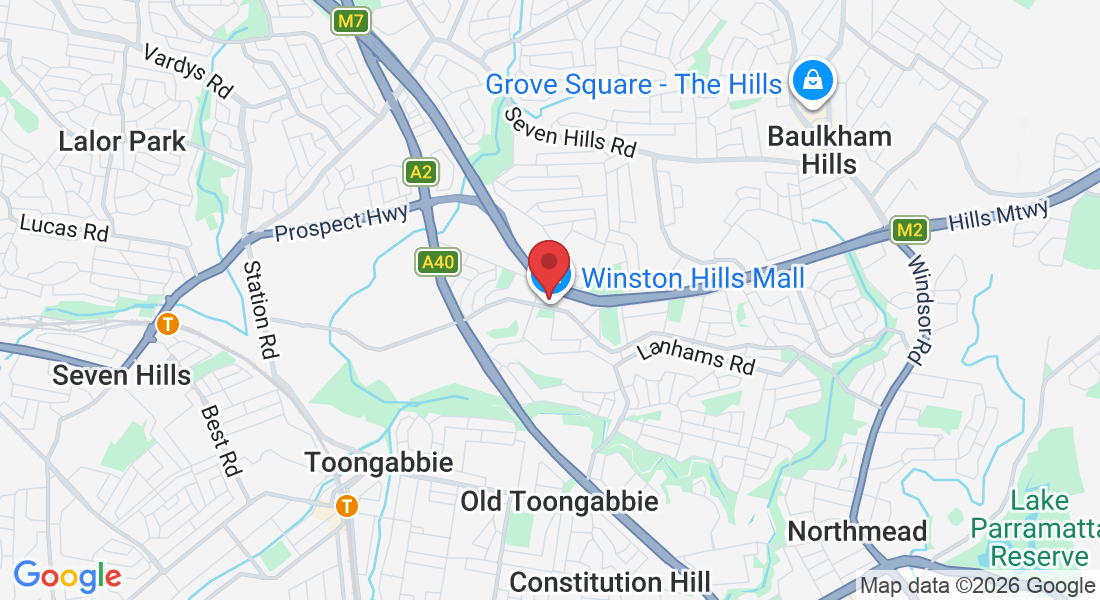
FUN-LOVING TEAM IN WINSTON HILLS
✅ Dedicated to creating a comfortable, welcoming environment
✅ Focused on understanding your dental health priorities
✅ Offers care plans tailored to individual needs
✅ Aims to support lasting oral health and confident smiles


Opening Hours:
By Appointments Only:
Mon-Fri: 9:00am – 6:00pm
Saturday: 9:00am- 3:00pm
Sunday: Closed
Opening Hours:
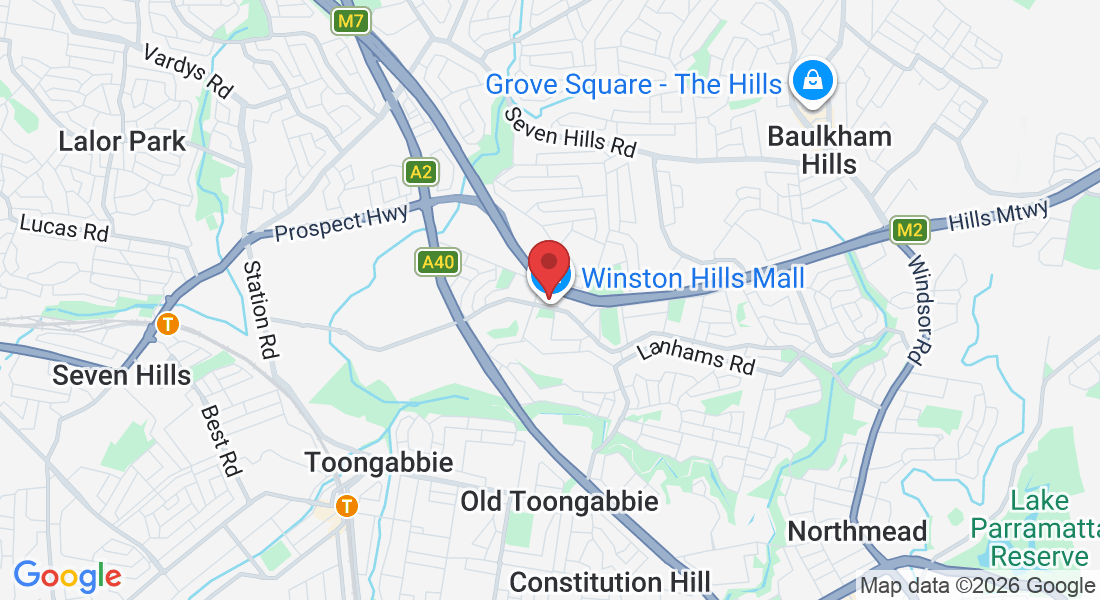
By Appointments Only:
Mon-Fri: 9:00am – 6:00pm
Saturday: 9:00am- 3:00pm
Sunday: Closed
Copyright 2020 Infinity Dental Care. All Right Reserved.